Welcome to FACTS, the Forensic Anthropology Center at Texas State!
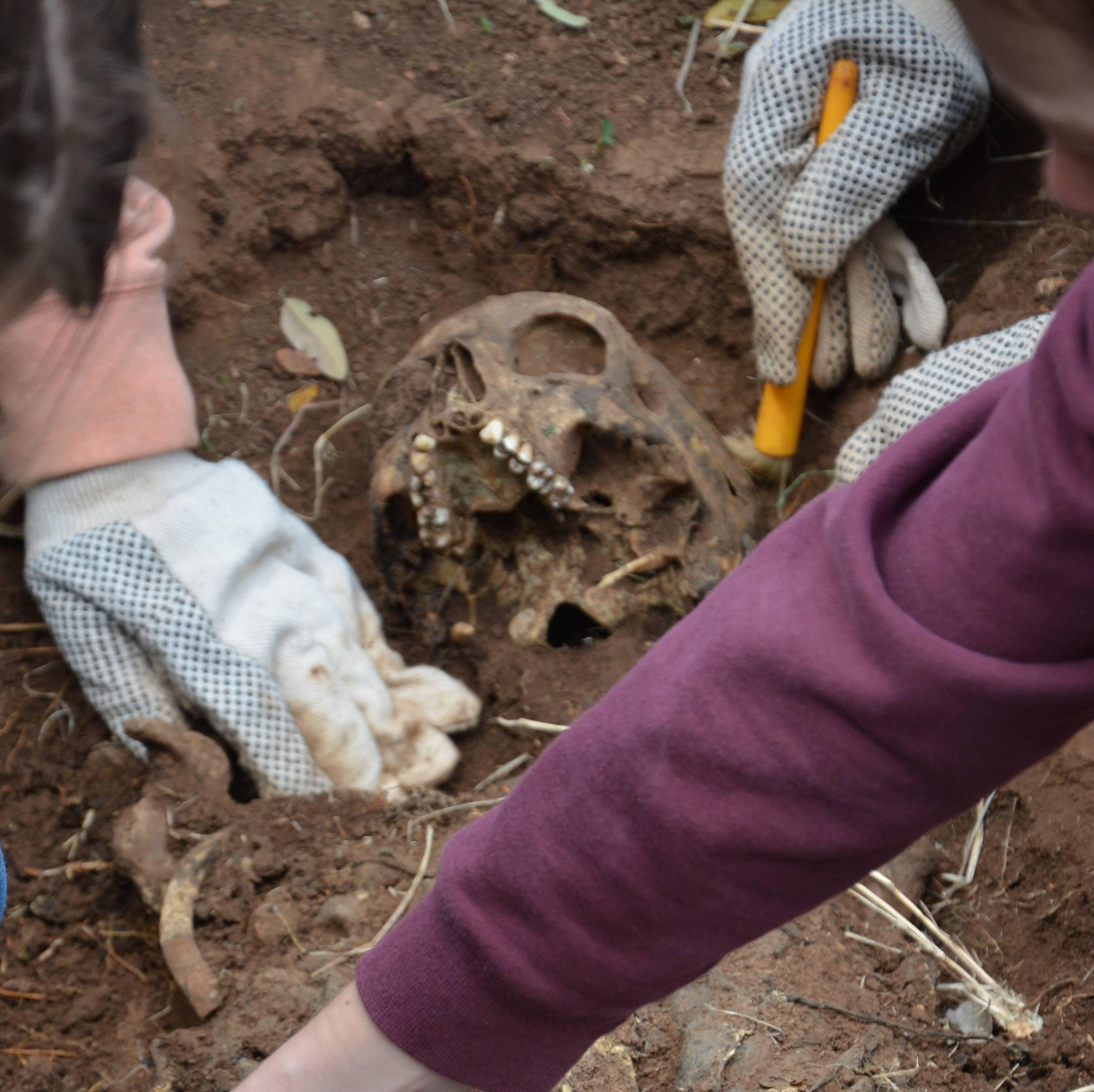
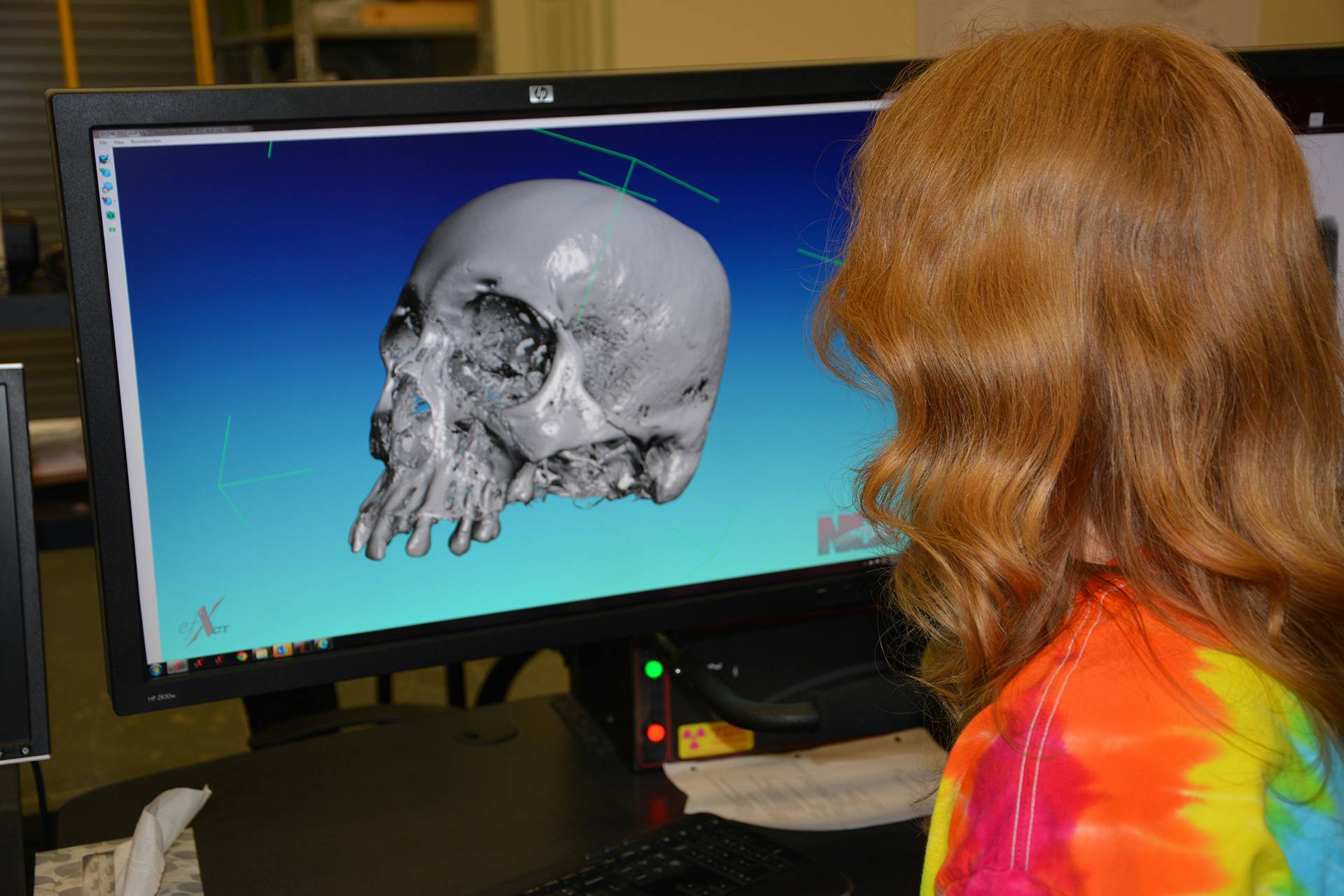
At the Forensic Anthropology Center at Texas State, we are committed to providing exceptional graduate level training in all facets of forensic anthropology, including methods and applications of forensic techniques, advanced human osteology, innovative decomposition research, and the opportunity for students to assist with actual forensic casework.
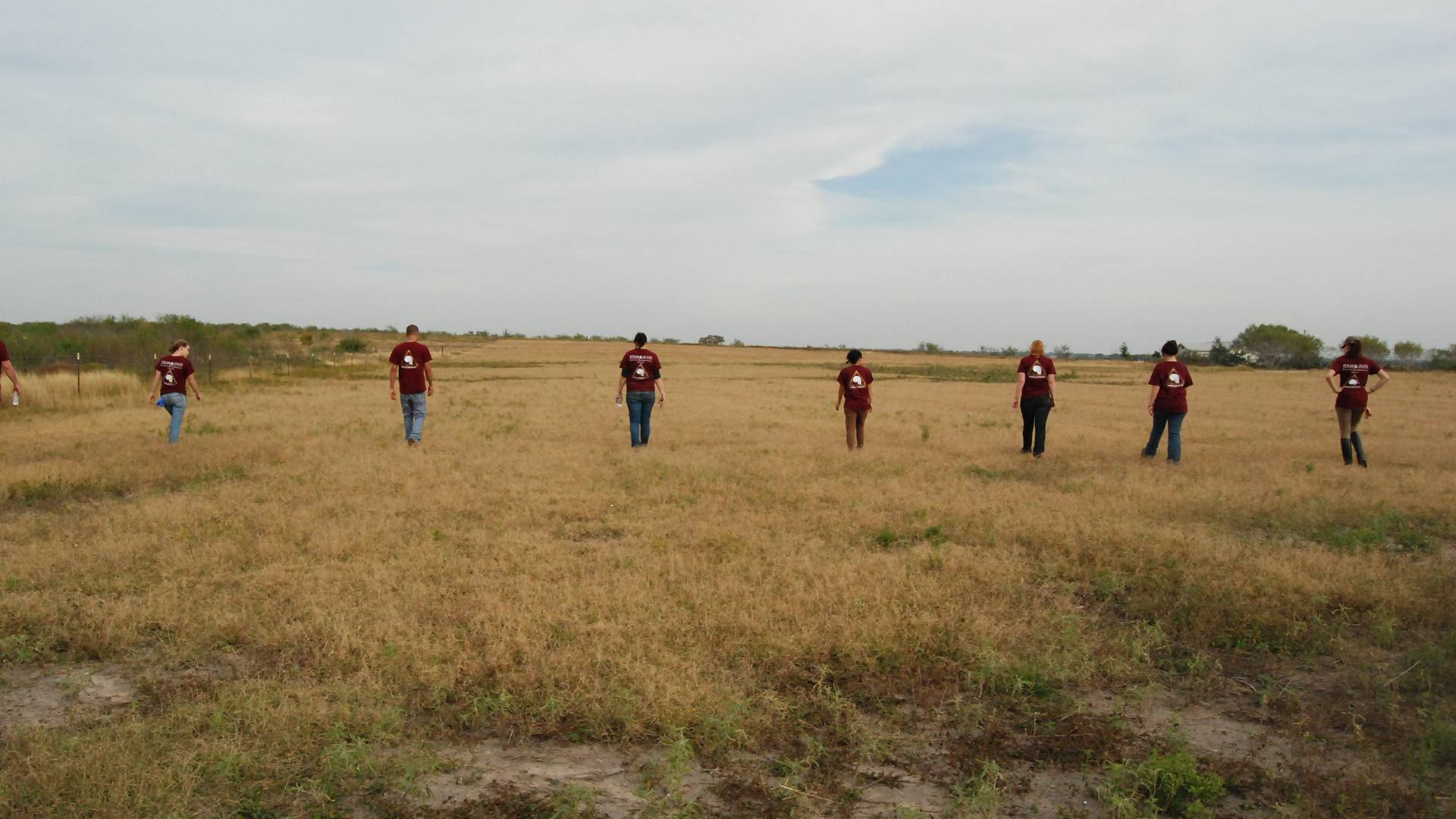
Additionally, we provide forensic anthropological recovery and identification services to Texas law enforcement agencies, and we host yearly workshops and short courses designed for law enforcement members to better understand the role of forensic anthropology in medicolegal investigations.
Attention Prospective Gradute Students:
Are you a prospective student interested in applying to our graduate program specializing in forensic anthropology? If so, please take a moment to look at our list of Frequently Asked Questions. There, you'll find information about our program, faculty, requirements, contact information, and application procedures. Thank you for your interest!
Ribbon-cutting ceremony at Forensic Anthropology Research Facility

Pictured, from left to right: Dr. Bill Bass (UT Knoxville), Provost Perry Moore (Texas State), Dr. Michelle Hamilton (Texas State), SSA Gary Reinecke (FBI), Dr. Kate Spradley (Texas State), and Dr. Jerry Melbye (Texas State-retired)
Sept. 2008--The Forensic Research Facility--a 10-acre site located on the sprawling grounds of the 4,000-acre Freeman Ranch at the edge of the Texas Hill Country--is the largest such human research center in the world.
Researchers at the post-mortem forensic research facility will gather data and train law enforcement officers in the areas of time of death, manner of death and victim identification in instances of crime, natural disaster, accidental death or terrorism.
The primary purpose of the FRF is for work on research problems related to outdoor crime scenes and decomposition rates for human remains under various topographical and climate conditions. The FRF will serve as a resource for students of forensic anthropology as well as state and national law enforcement agencies. The work conducted there will have a direct impact on law enforcement and forensic investigations throughout the state of Texas, and beyond.
Guests included representatives from the University of Tennessee’s Forensic Anthropology Center, Homeland Security, the governor’s office and the FBI Academy in Quantico, Va.